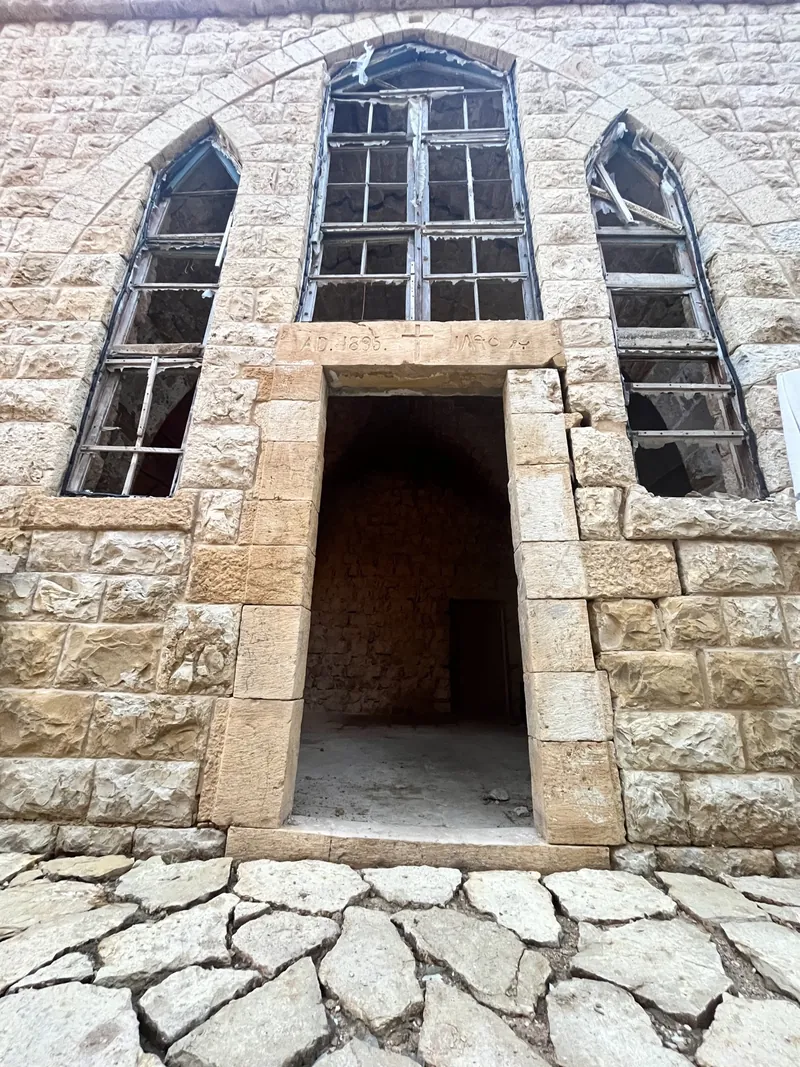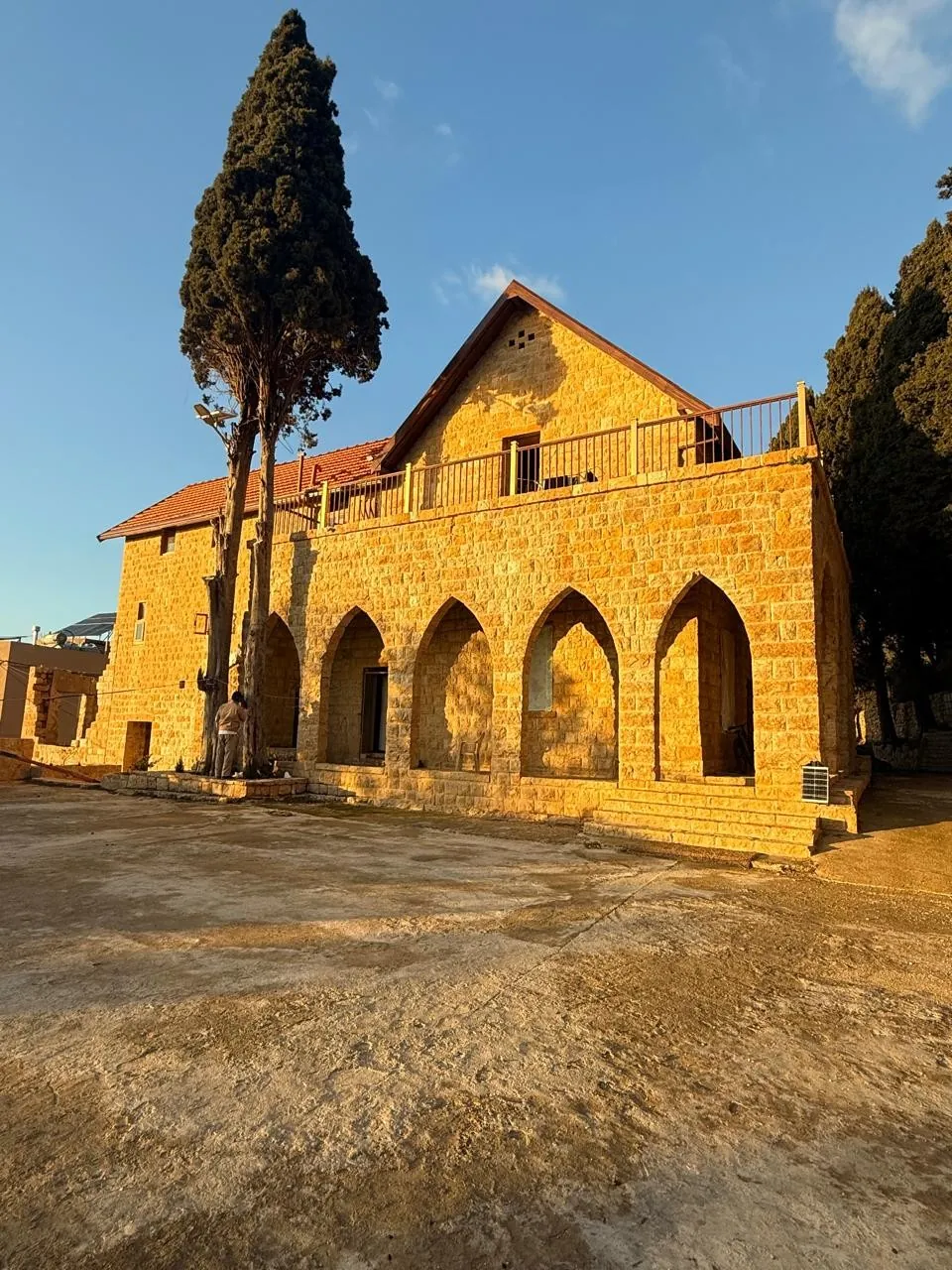
This hill has been restored before.
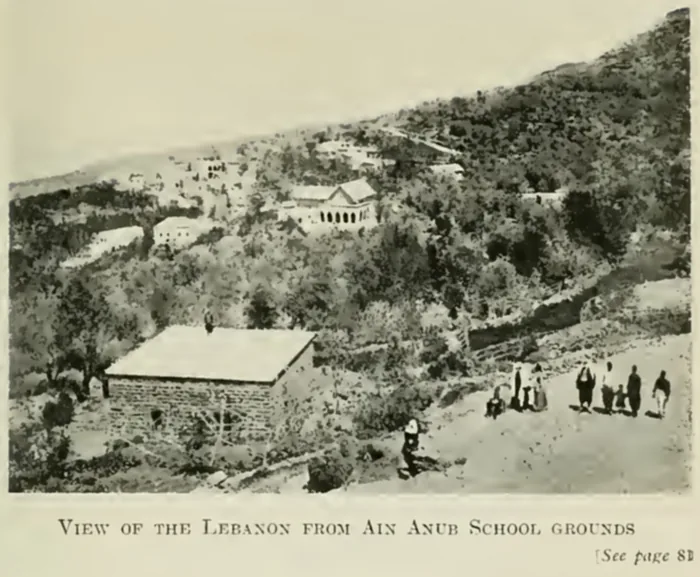
Everything below comes from the stones themselves, or from the book Canon Joseph Parfit published in 1917.
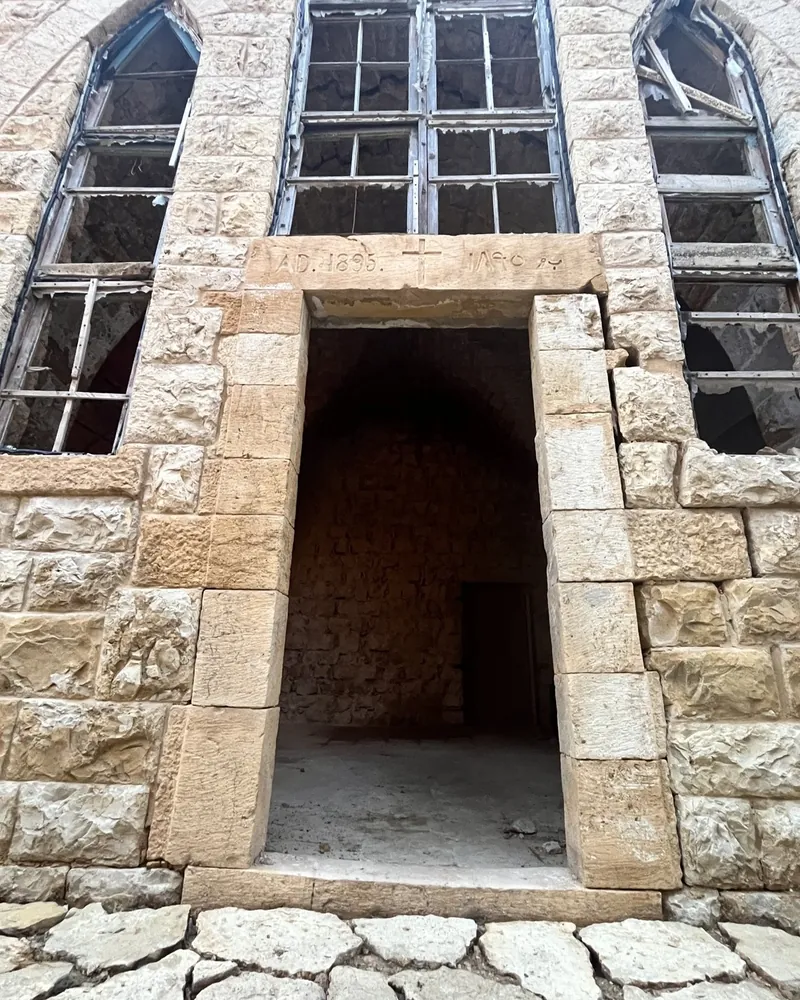
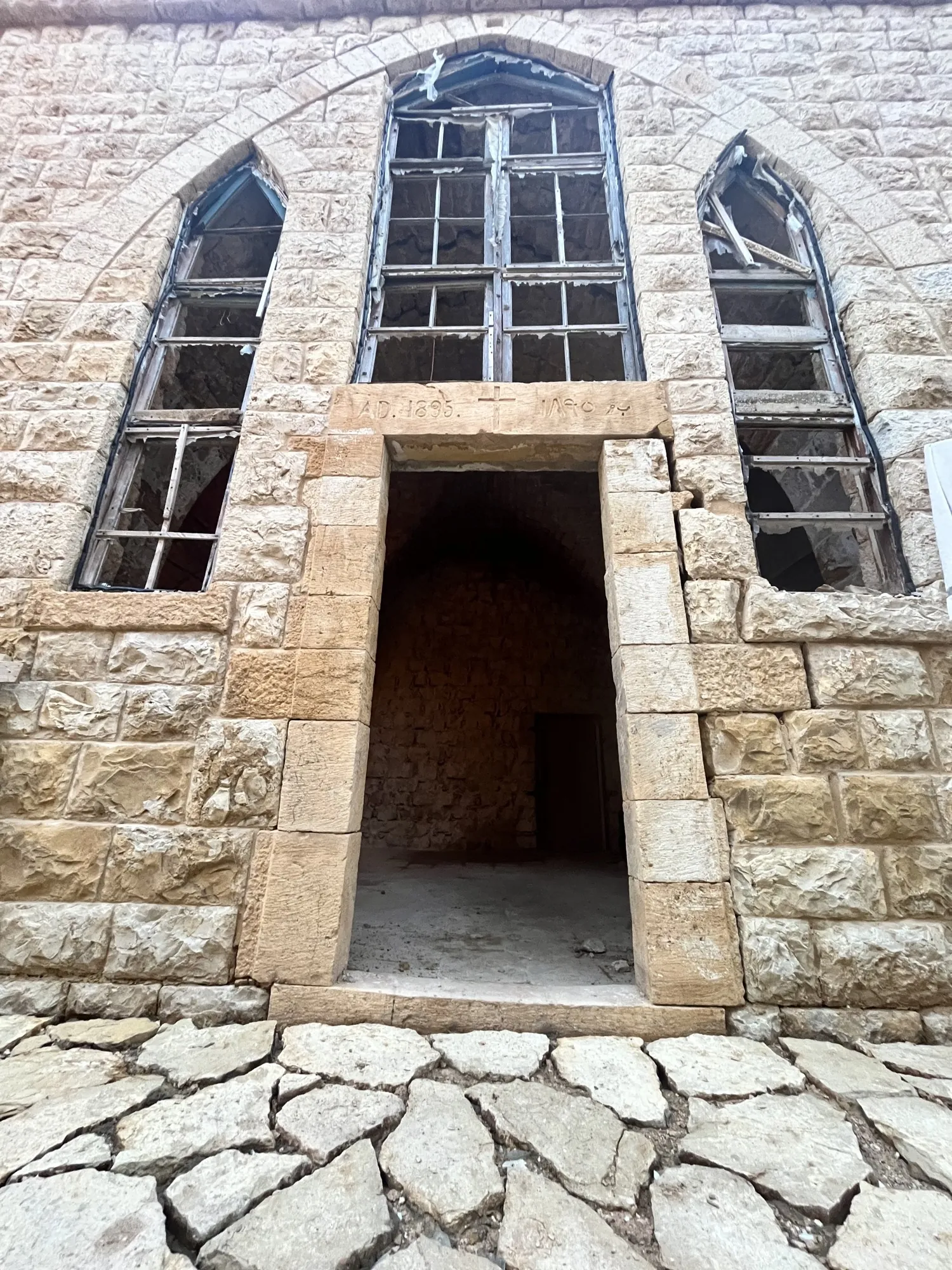
AD. 1895, carved in stone.
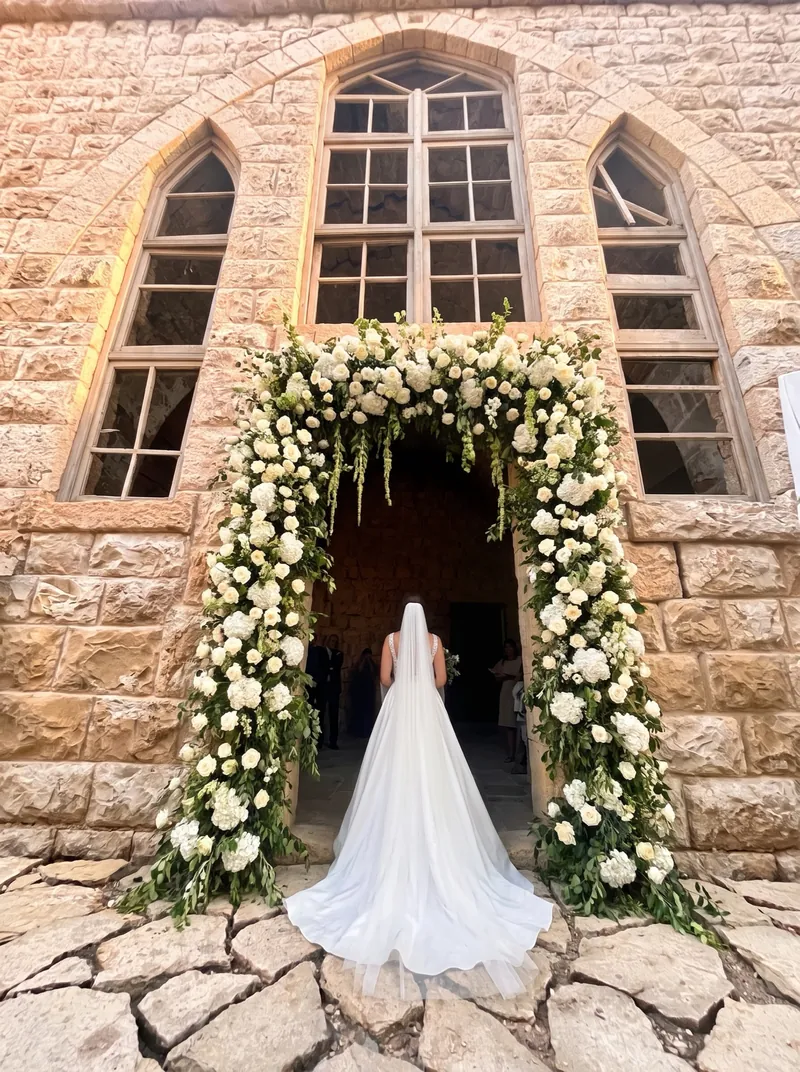
Over one doorway, a lintel reads AD. 1895 in Latin letters, a cross, then the same year in Arabic numerals, ١٨٩٥. It is the oldest date on the estate.
Real photo of the doorway today.
Fourteen mules, three days.
The house belonged to an English lady, Mrs. Worsley. She brought all her furniture from England in one huge wagon, and a jetty had to be built at Beirut to land it.
"For three days fourteen mules were employed to drag this heavy, cumbersome vehicle along the nine miles of winding roads."Canon J. T. Parfit, 1917
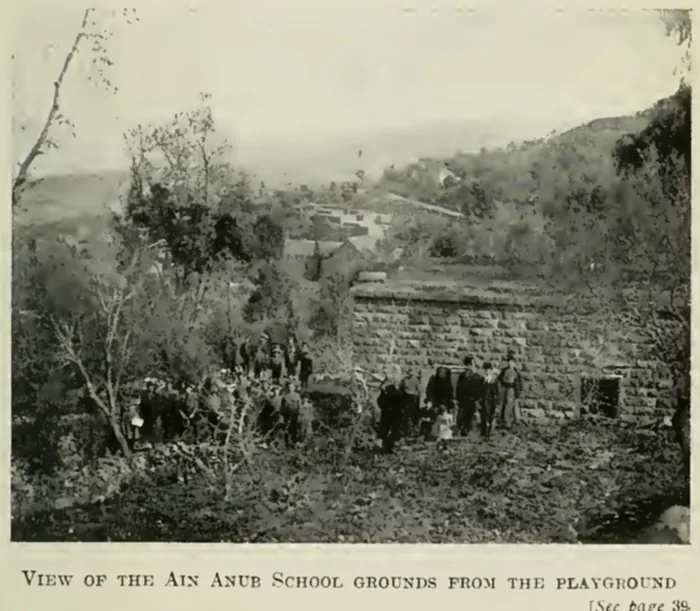
A ruin, restored into a school.
After Mrs. Worsley's death the rooms were locked and sealed, and the estate was, in Parfit's words, "rapidly going to ruin". In the autumn of 1907 he opened a small school and began repairs. The stables and coach-house became three classrooms.
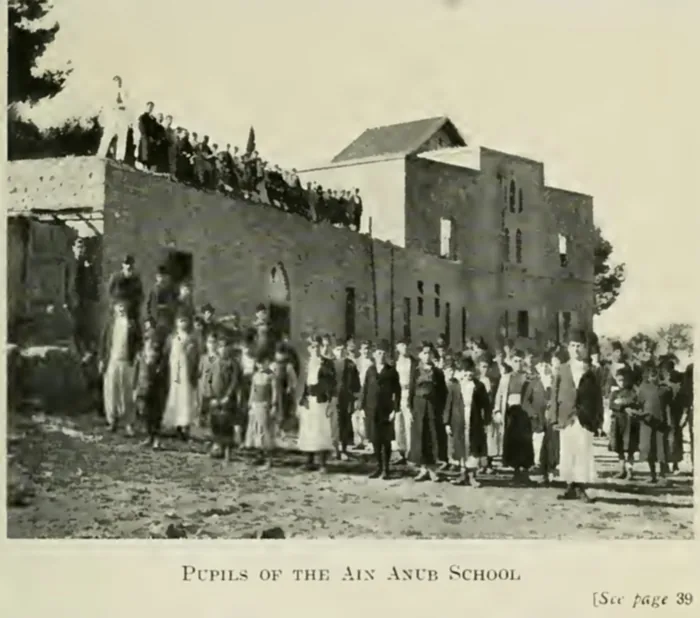
Over 150 pupils, three departments.
By 1914 the half-ruined estate had become, as Parfit put it, "one of the brightest spots in the Lebanon". He recorded its scout squad as "the first corps of boy scouts in the Turkish Empire".
Lebanon's scouting federation dates the country's first troop to 1912 in Beirut. Parfit's claim is his own.
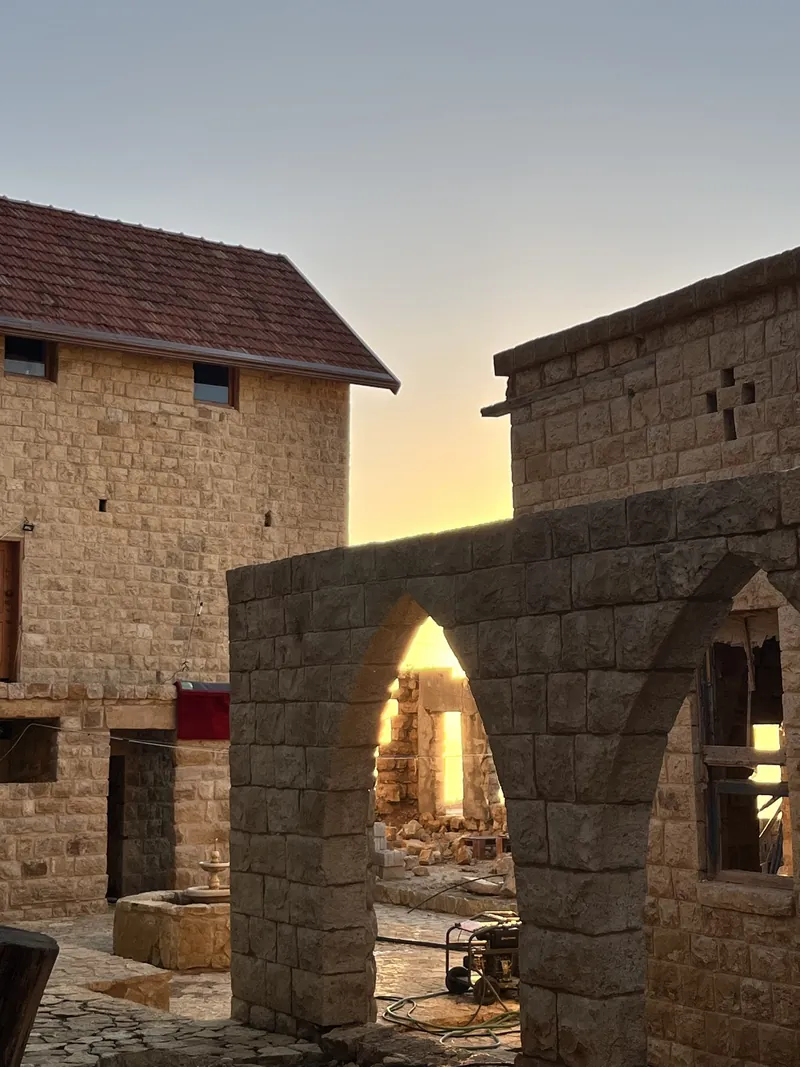
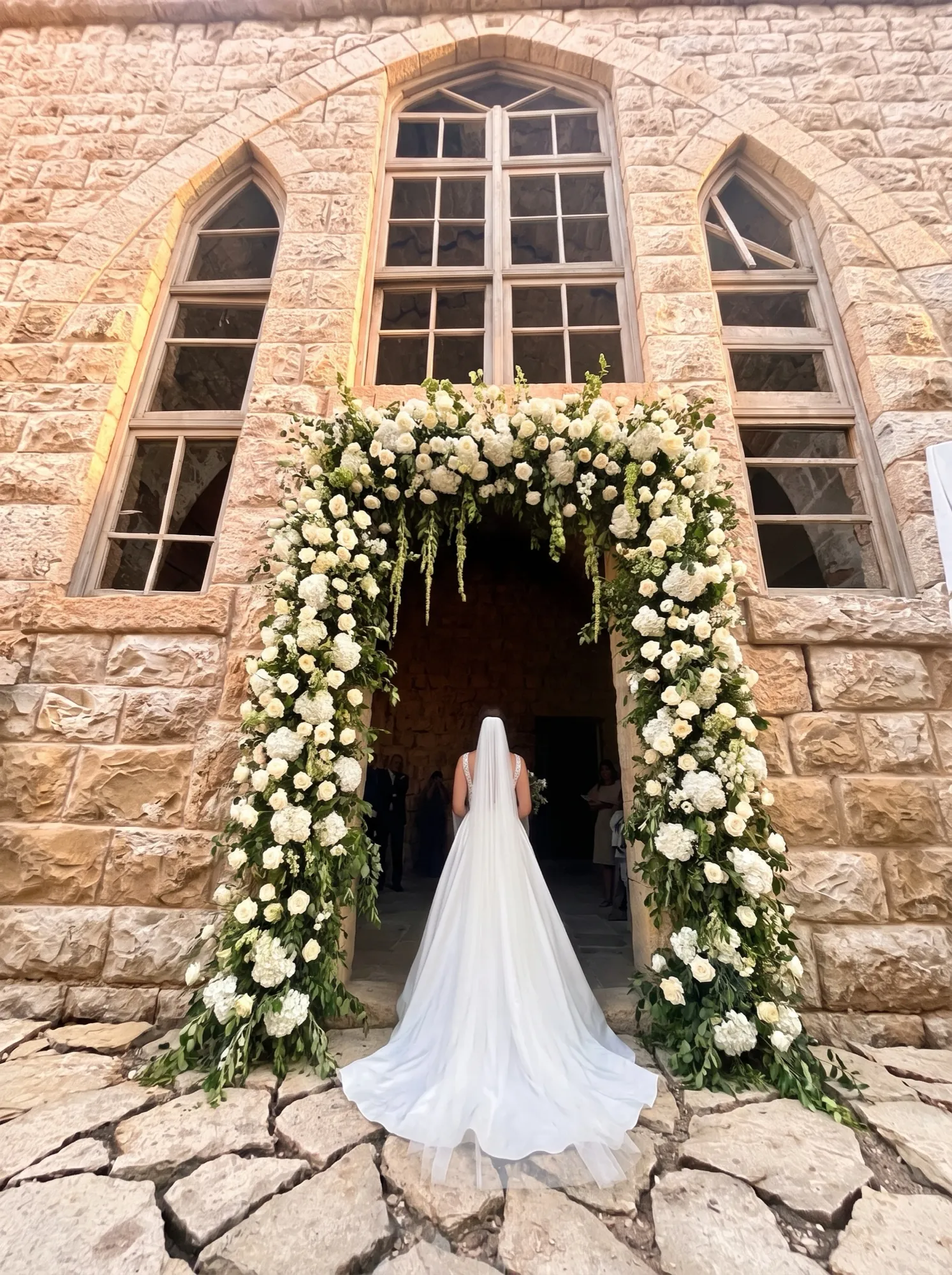
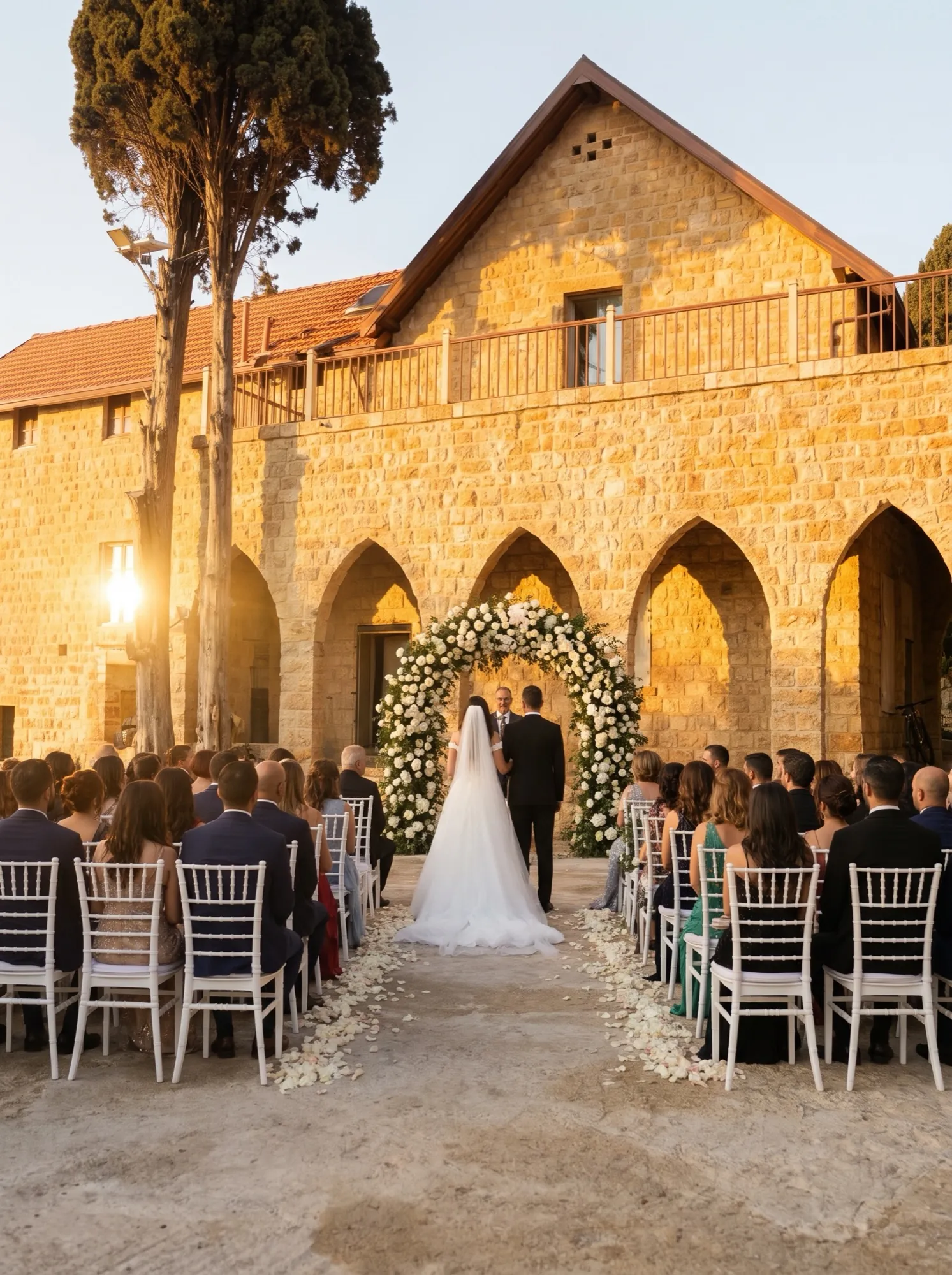
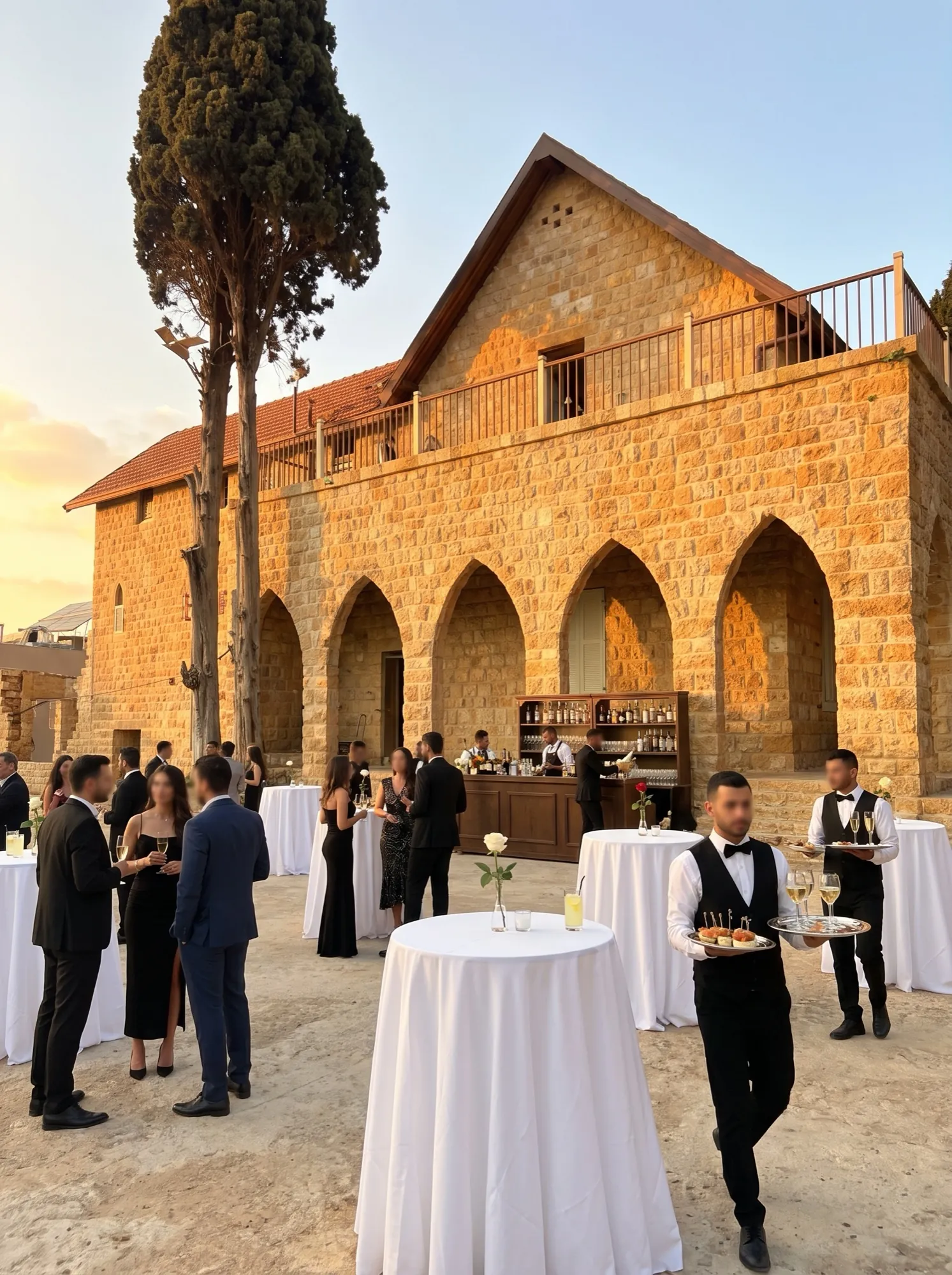
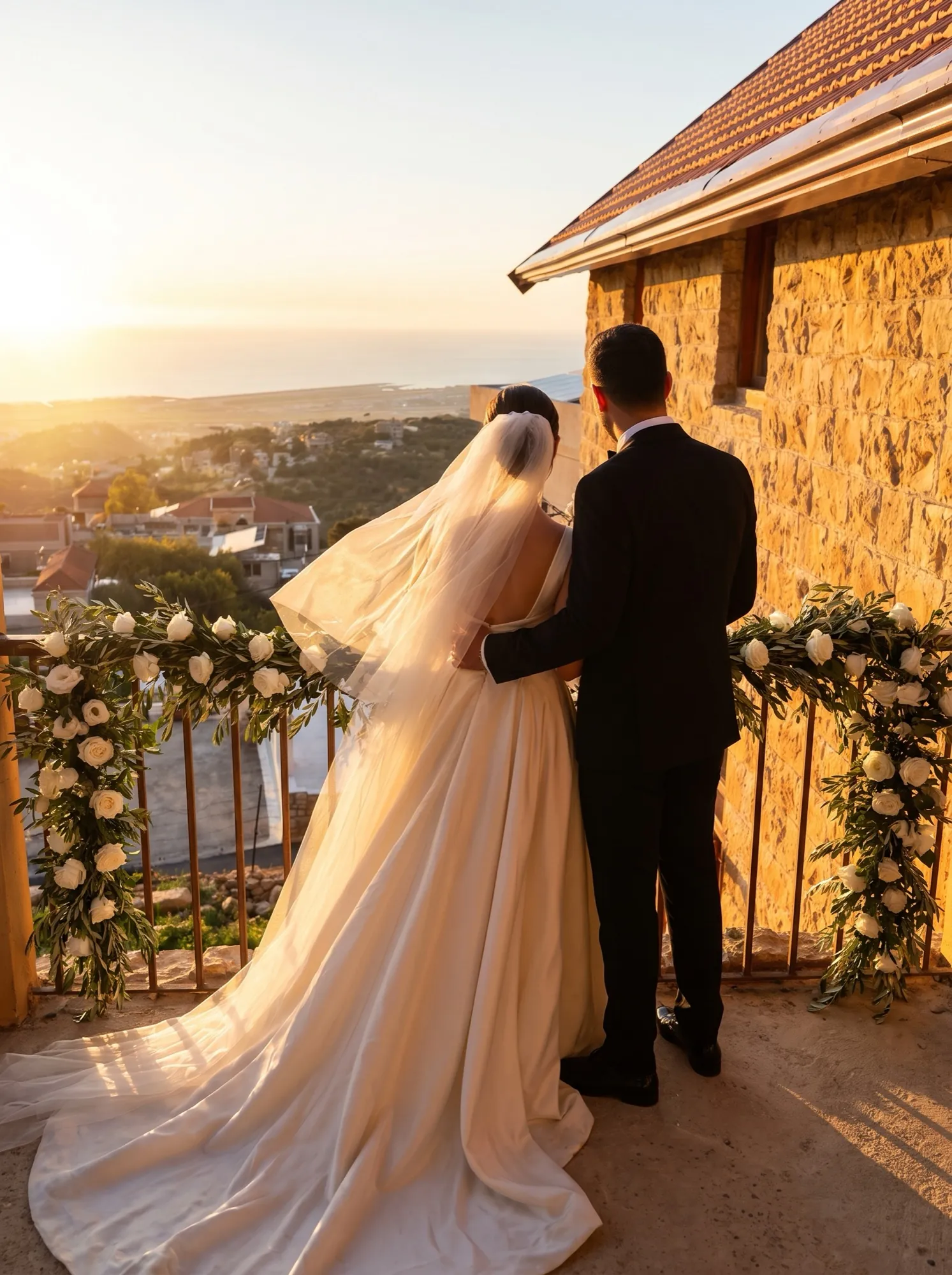
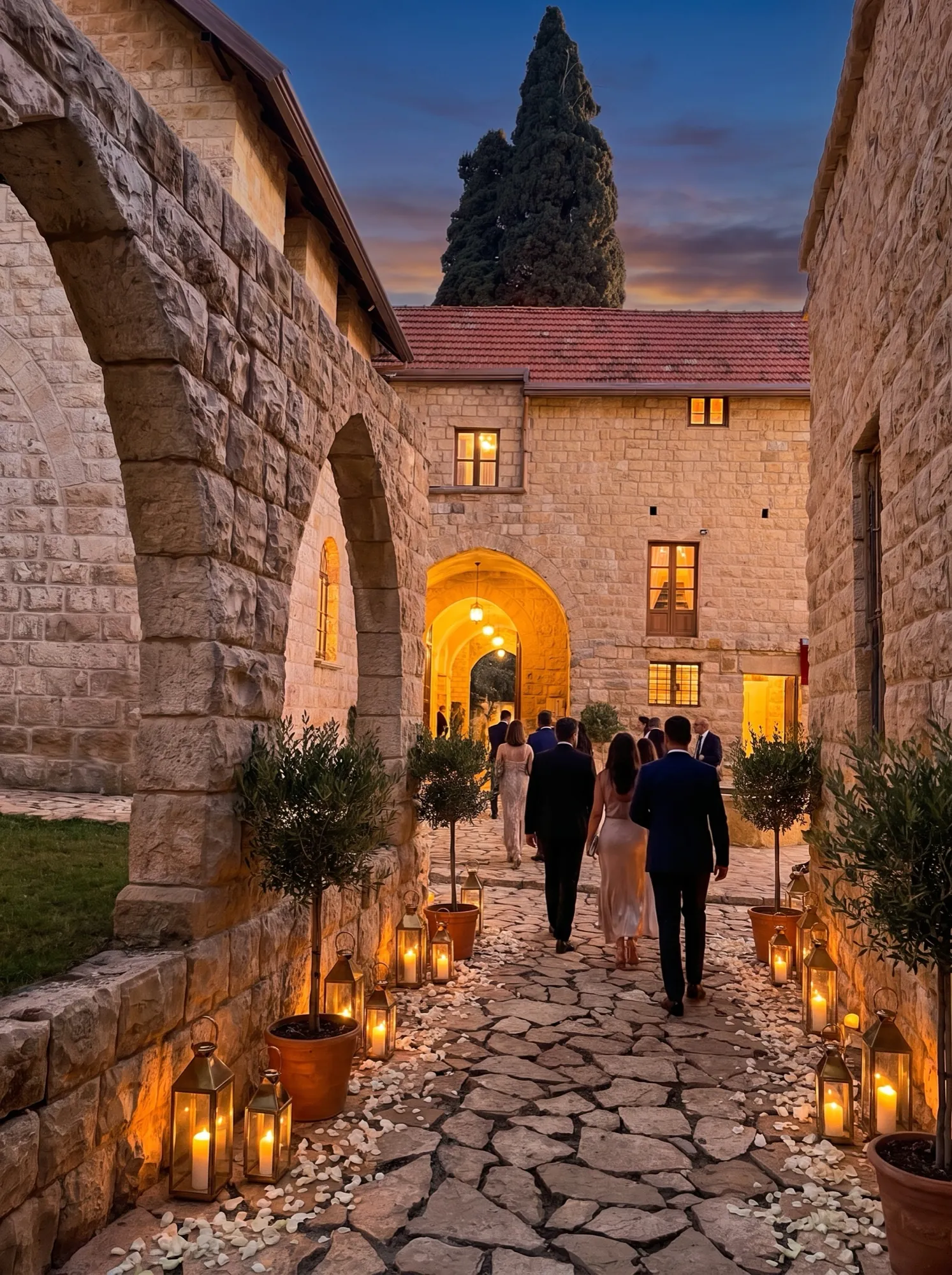
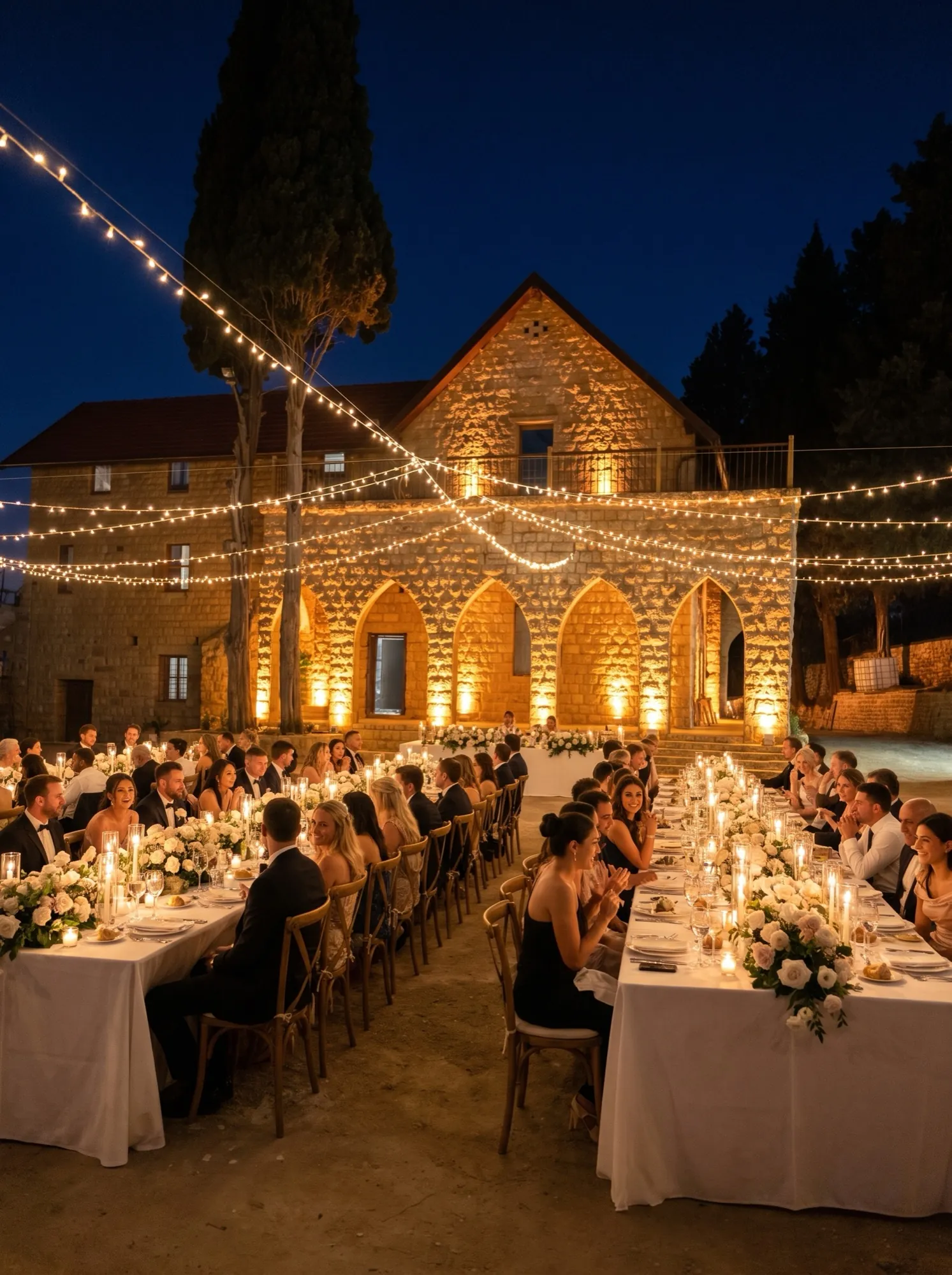
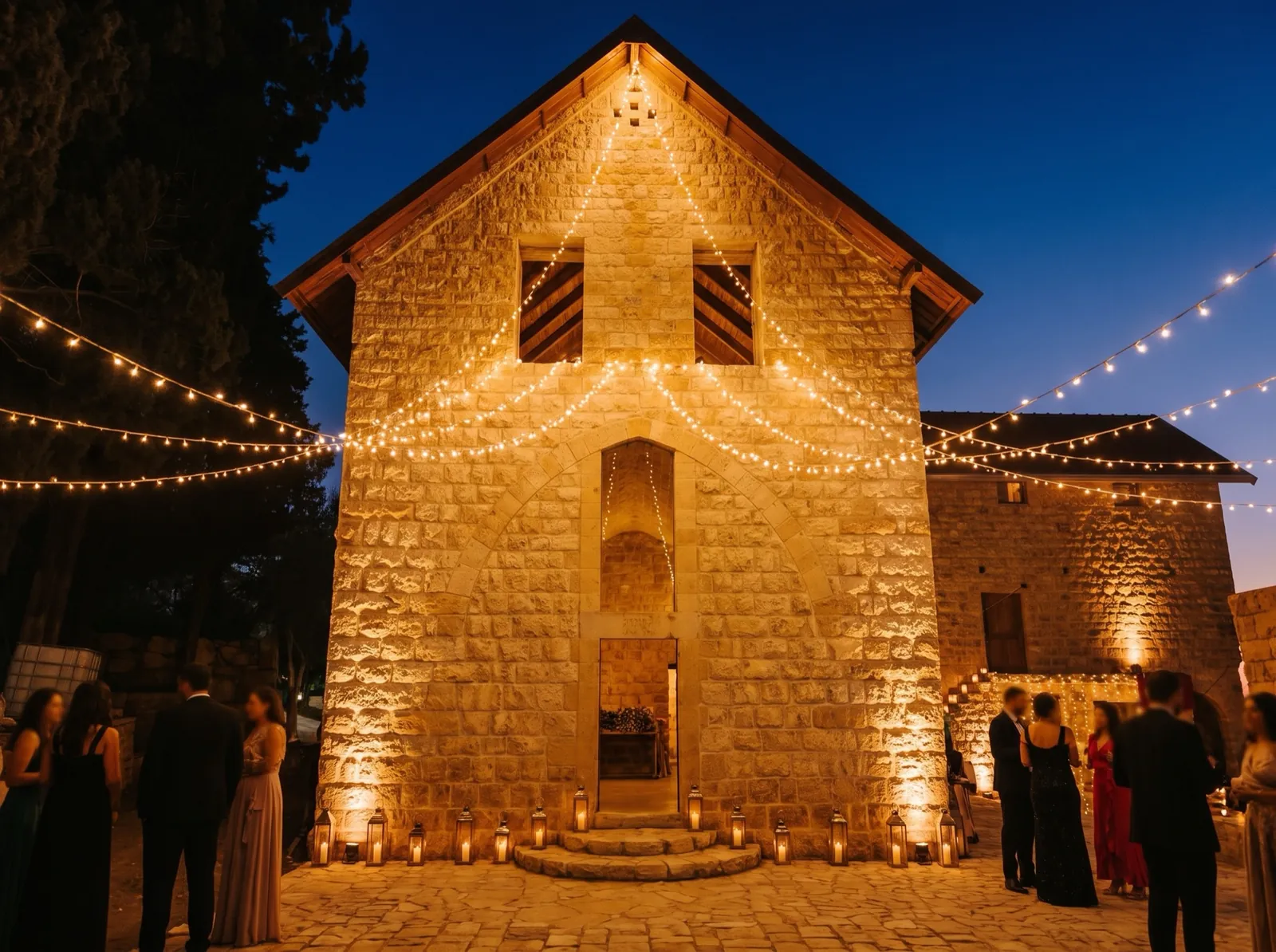
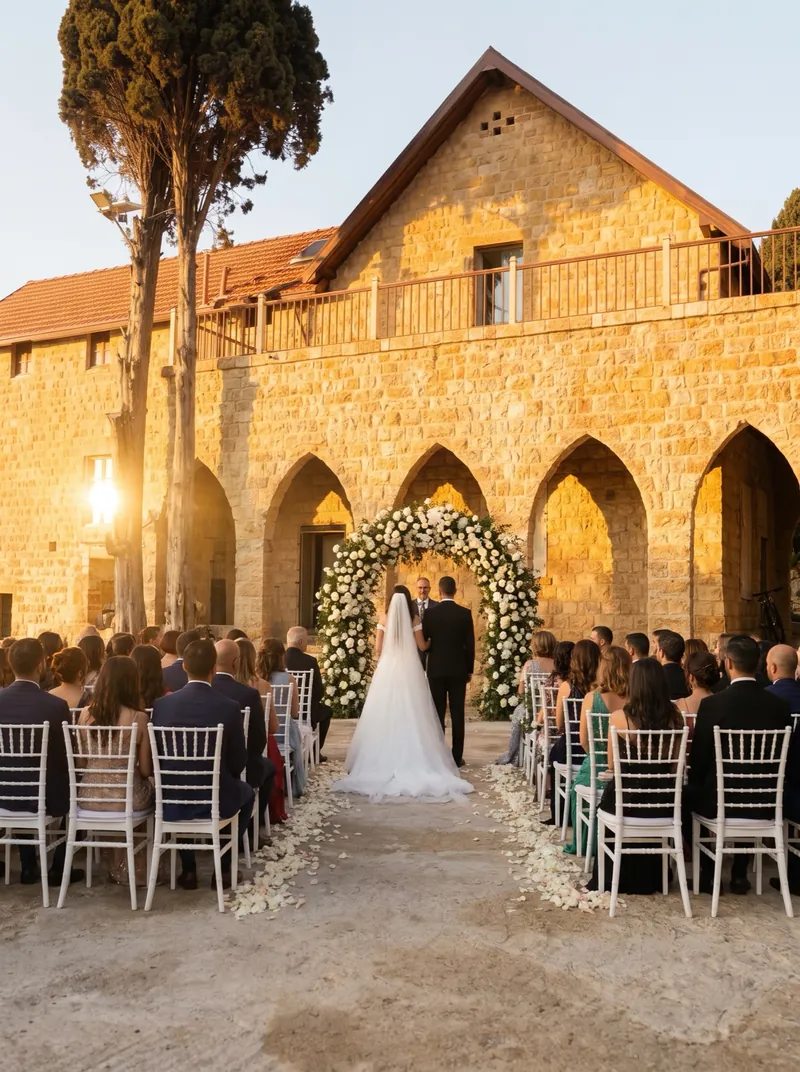
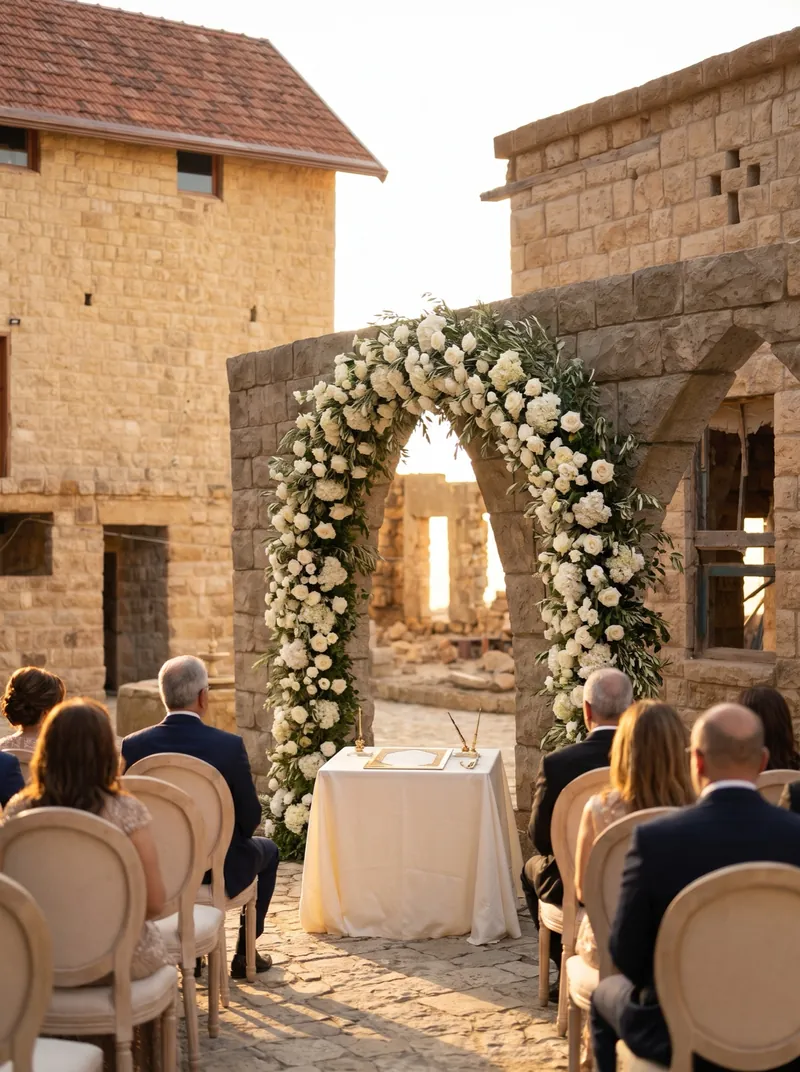
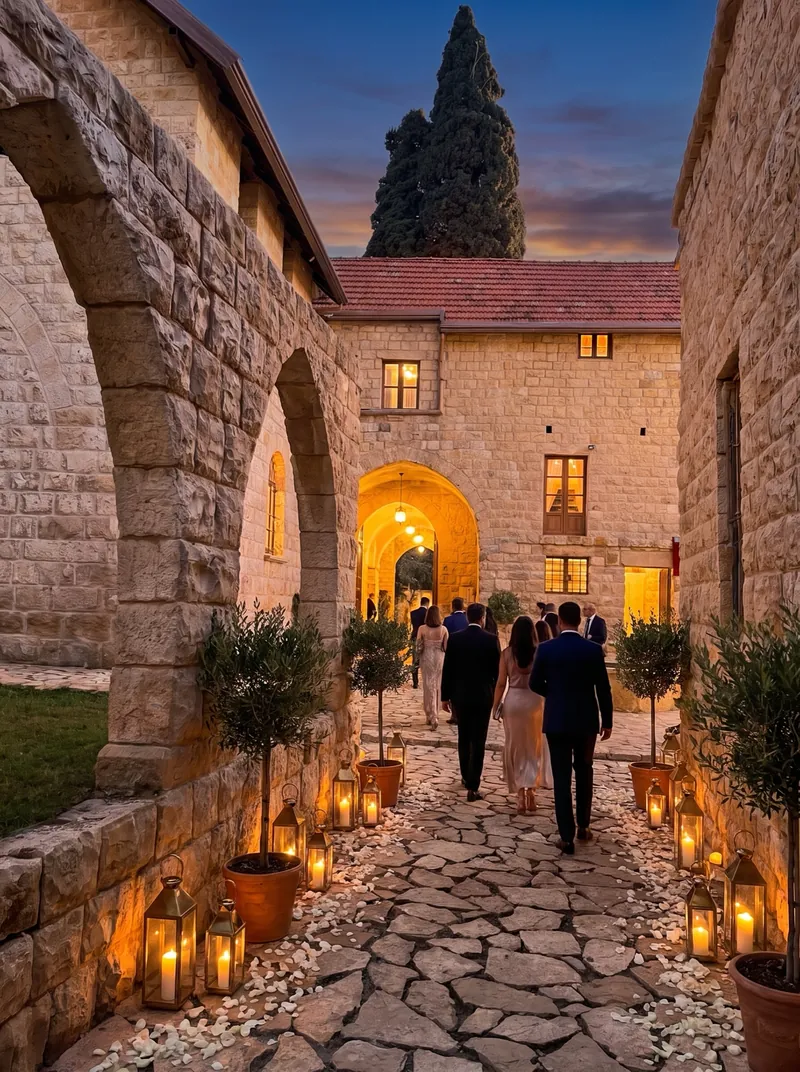
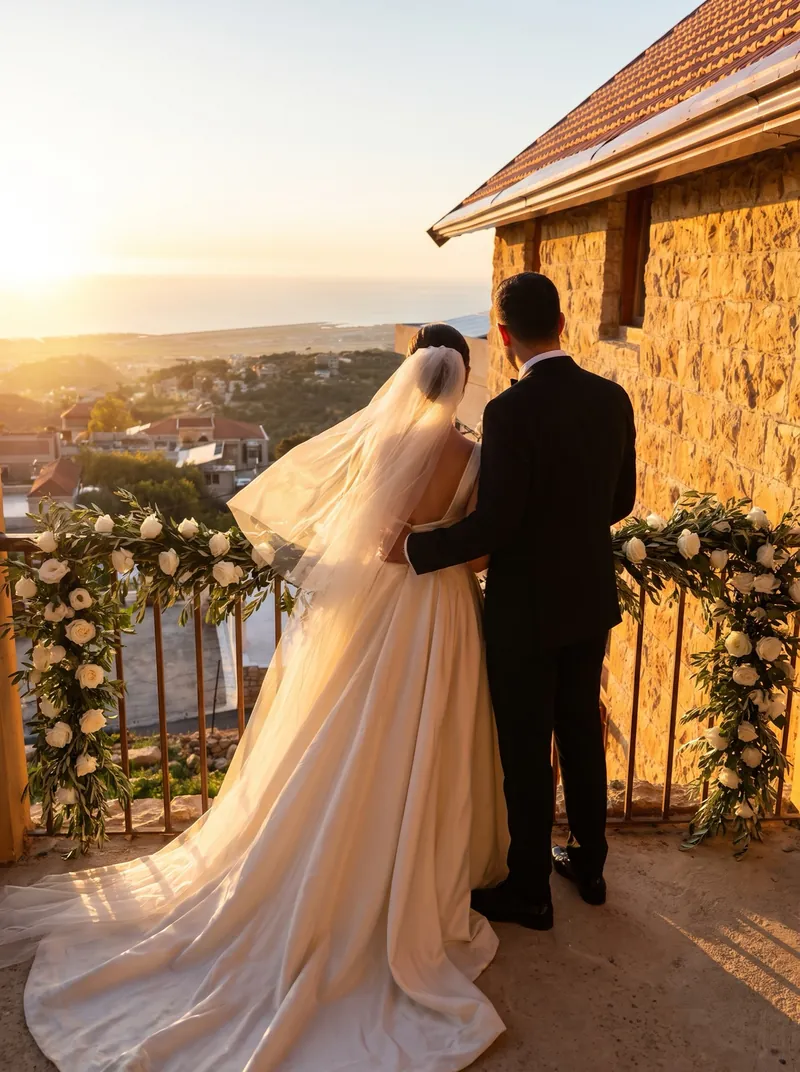
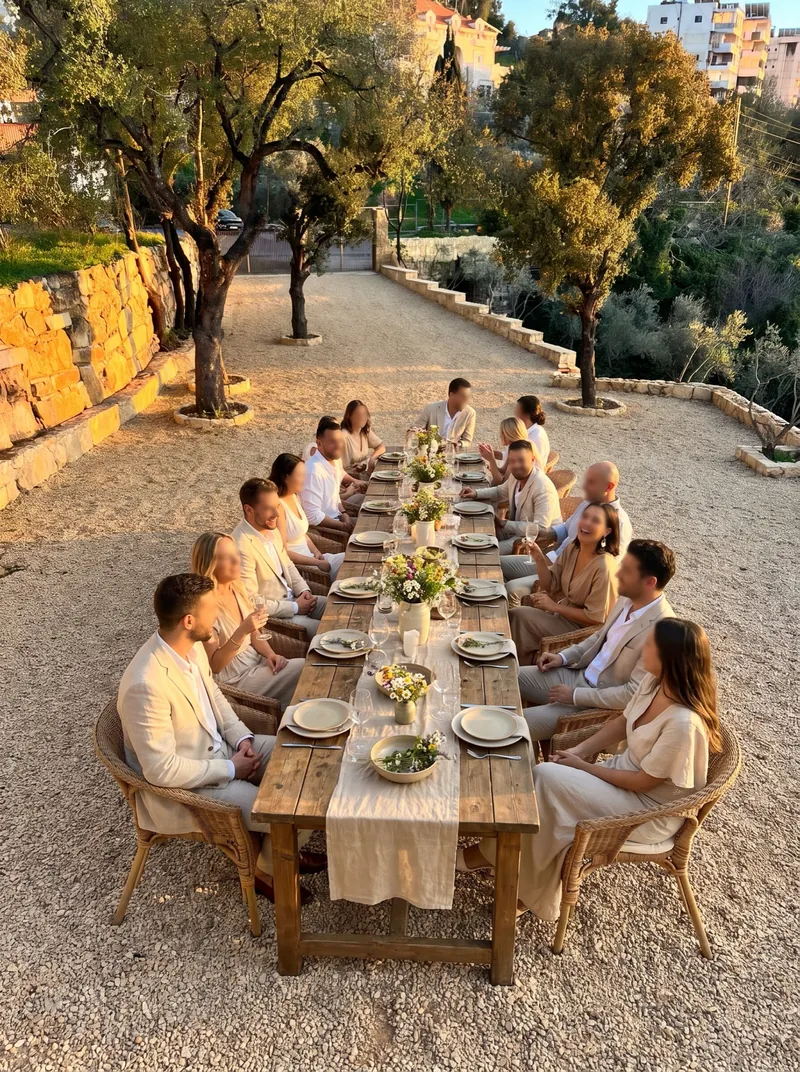
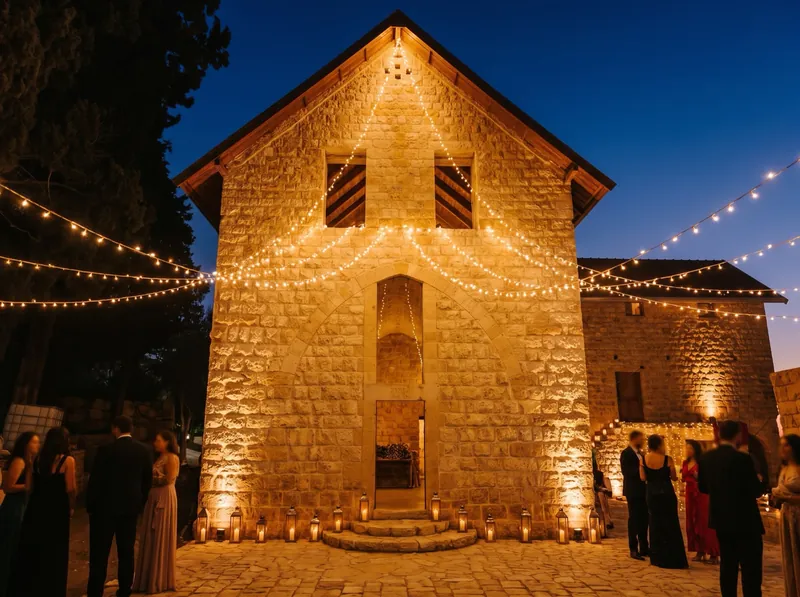
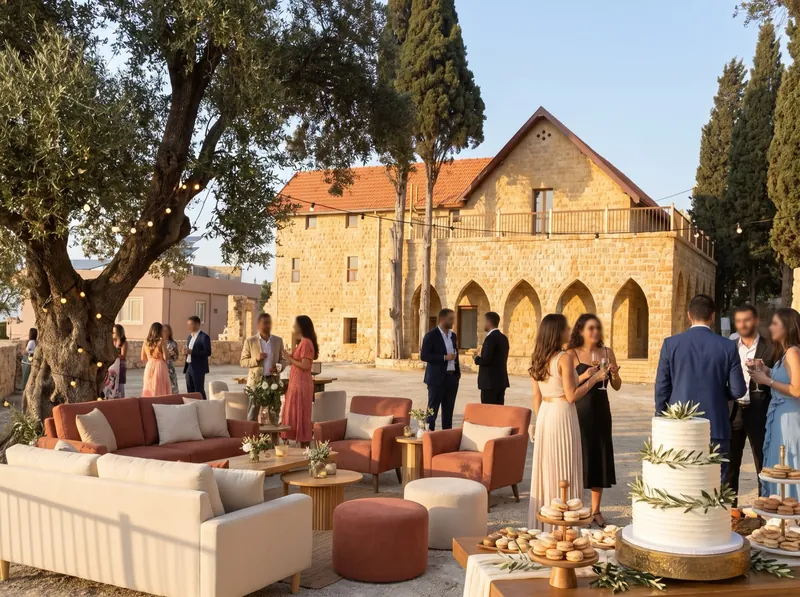
Restored again, for weddings.
Over a century later the same stones have been cleaned, repaired and lit. The finishing work is under way, and the first weddings open in summer 2027.